Size and fabric basics
How to read a size chart: body measurements vs garment measurements
Almost every clothing listing includes a size chart, and almost everyone skips it. That is a shame, because the size chart is the single most useful tool for buying clothes online. Once you know how to read one, ordering the right size becomes much less of a gamble.
This guide explains the two kinds of size chart, how to take your own measurements, and how to match them with what the retailer lists.
Two kinds of size chart
Size charts come in two types, and mixing them up is the most common mistake.
Body measurement charts tell you which size is meant for a body with certain measurements. For example, a chart might say a medium suits a chest of 96 to 101 centimeters. To use it, you compare your own body measurements.
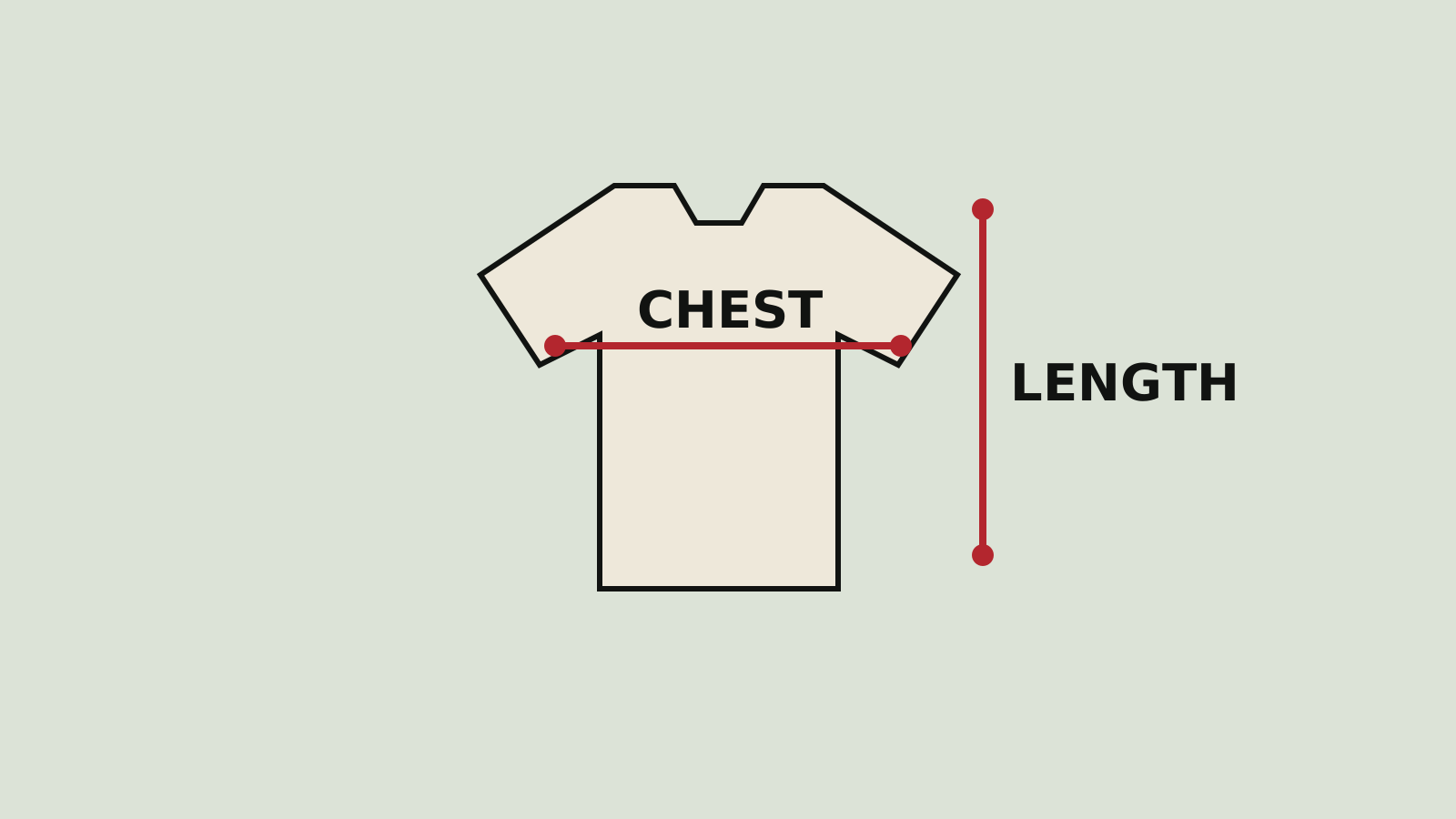
Garment measurement charts tell you the size of the actual piece of clothing, usually measured flat. For example, a medium T-shirt might measure 54 centimeters across the chest from armpit to armpit. To use it, you compare with a piece you already own that fits well.
Charts do not always say which type they are. A good clue is the size of the numbers. A chest figure close to your own body measurement is a body chart. A figure roughly half of that, measured across one side, is a garment chart laid flat.
How to measure your body
You need a soft tape measure. Stand naturally and keep the tape snug but not tight.
Chest: around the fullest part of your chest, under the arms.
Waist: around your natural waist, usually just above the belly button. For trousers, measure where you actually wear them.
Hips: around the fullest part of your hips.
Inside leg: from the top of your inner thigh to the floor, without shoes.
Sleeve: from the center of the back of your neck, over the shoulder, to the wrist.
Write the numbers down, along with the date. Measurements change over time, so it is worth redoing them once a year.
How to measure a piece you own
This is often more reliable than body measurements, because it captures how you like clothes to fit, not just your size.
Choose a piece that fits the way you want the new one to fit. Lay it flat on a table and smooth it out.
For tops, measure chest width straight across from armpit to armpit, length from the highest point of the shoulder to the hem, and sleeve length from the shoulder seam to the cuff.
For trousers, measure the waist straight across the top, the inseam from the crotch seam to the hem, and the leg opening across the bottom.
Now compare these numbers with a garment chart. If the new piece is within a centimeter or two, it should fit in a similar way.
Fit notes: slim, regular, relaxed, oversized
Many listings include a fit note. These describe the cut, not the size.
Slim fit sits close to the body. If you are between sizes, a slim cut often needs the larger one.
Regular fit follows the body with a little room. It is the safest choice when you are unsure.
Relaxed fit has more room through the body and arms. It suits a casual look.
Oversized is cut deliberately large. The retailer usually means you should order your usual size for the intended look. Sizing down gives a more regular fit.
The type line on each Selvane product page often includes the fit, such as "relaxed fit T-shirt".
Fabric changes the fit
Stretch matters. A fabric with elastane or spandex will give, so a close size is fine. A rigid cotton or linen will not stretch, so you may want a little extra room. Natural fibers such as cotton can also shrink slightly in the first wash, especially in hot water. Our fabric label guide explains what each fiber does.
Letter sizes, numbers and regions
Letter sizes such as S, M and L are not standard between brands. Numeric sizes vary between regions: a women's US 8, UK 12 and EU 40 are roughly equivalent, but the exact conversion depends on the brand. Always use the retailer's own chart rather than a general conversion table.
Children's sizes are usually listed by age, but children grow at different rates, so height and chest measurements are a better guide. You will find kids' sizes in Kids' Clothing.
When you are between sizes
Being between two sizes is common, and there is no single right answer. A few questions help you decide.
First, how do you like the piece to fit? If you prefer a relaxed look, size up. If you prefer a closer fit, size down, especially in stretchy fabrics.
Second, what is the fabric? Rigid fabrics such as linen and non-stretch denim are less forgiving, so the larger size is often safer. Knits and fabrics with elastane give more room.
Third, which measurement matters most for this piece? For a fitted shirt it is the chest and shoulders. For trousers it is the waist and hips. For a coat it is the chest with a sweater underneath. Choose the size that fits the most important area, since length and waist can often be altered more easily than shoulders.
A quick routine
- Measure your body once and keep the numbers.
- Measure a favorite piece that fits the way you like.
- Check whether the chart is body or garment measurements.
- Read the fit note and the fabric line.
- If you are between sizes, choose based on fit and stretch.
Every product page on Selvane lists type, material and size range near the top, and the retailer's page holds the full chart. You can browse Men's Clothing and Women's Clothing to compare pieces side by side.
The few minutes you spend with a tape measure will save you far more time in returns and exchanges.